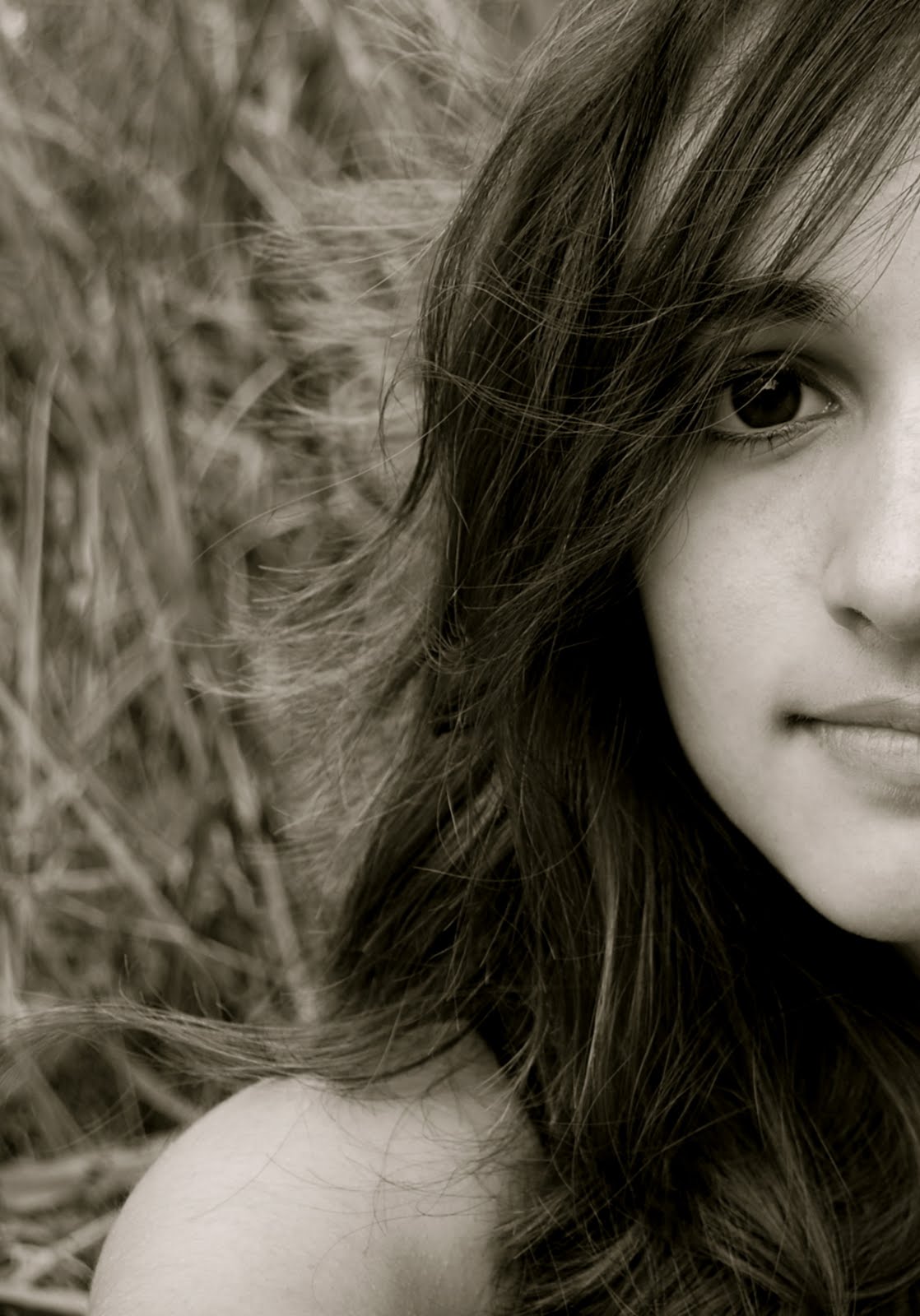
Since my work focuses on an exploration of the phantasmagorical nature of people, places and things, the purpose is to awaken a heightened sensitivity in the viewer to the surreal and dreamlike moments in reality.
In my early photography, my style was heavily influenced by the photojournalistic styles of Henri Cartier-Bresson and Christopher Steele-Perkins. I was convinced that the element of spontaneity and serendipitous timing that was the essence of their work (and my early work) was the only way to ensure a photograph’s authenticity. My biggest obstacle has been my conviction that setting up a photograph breaks its ties to reality and sabatoges any message it conveys. To overcome this, I read interviews with portrait photographer Rodney Smith that revealed how an element of serendipity still played a part in his surreal, staged photographs. As my subject matter shifted more toward people, the new environment I chose allowed the model to explore and reveal their personalities, which in turn elicited more natural poses and added to the complexity of the emotions of the images. The resulting piece was often a mixed media display that incorporated artifacts from the scene to add authenticity and invoke a fuller picture of the experience there.
Whether shooting directly into the light to create rays or completely silhouetting my model, my use of natural lighting (similar to my fascination with urban decay and dilapidation) has been a motif present since my earliest photographs. To strengthen this tendency, I shoot with a Minolta film camera and then scan the film onto the computer for additional editing in Photoshop CS5. Initially shooting with film allows more control over the desired sun glare effects I want to produce by manually adjusting the shutter according to the light meter. Adding orange filters, strengthening whites, and adjusting curves for a cross process effect in CS5 are all techniques I sought out to learn by studying Ukrainian photographer Kasandra’s images.


